
What does success look like for fine artists? It’s a question as unique as every brushstroke, yet one that artists grapple with at every stage of their careers. For some, it’s having their work displayed in prestigious galleries. For others, it’s creating pieces that resonate deeply with an audience, even if only a handful of people ever see them. But here’s the thing: defining success as an artist is rarely about one-size-fits-all achievements. It’s personal. It’s nuanced. It’s yours to define.
In this article, we’ll explore what success can mean beyond the obvious markers of fame or financial gain. Whether it’s personal fulfilment, connecting emotionally with your audience, or pushing your creative boundaries, we’ll unpack the layers of what makes an artist feel accomplished. Let’s rethink what it means to “make it” in the art world and find the definition that truly works for you.
Defining success in the art world: Beyond fame and fortune
When we think of successful artists, names like Picasso or Monet might come to mind—household figures whose works fetch millions and hang in prestigious galleries. But is that the only measure of success? Not at all. For many fine artists, fame and fortune are just one version of success, and often not the most meaningful.
Success in the art world can take countless forms. Maybe it’s about establishing a consistent creative practice, earning a modest but steady income, or simply having the freedom to create on your own terms. It could even be about using your art to make a social impact or finding a niche audience who connects deeply with your work.
The truth is, the art world is vast, and success isn’t a single finish line. It’s a deeply personal journey. By broadening the definition, artists can focus on what truly matters to them, whether that’s artistic integrity, financial stability, or leaving a creative legacy.
The role of personal fulfilment in artistic success
At the heart of every artist’s journey lies one question: does creating art make you feel fulfilled? Personal fulfilment often outweighs external validation in defining success. When you pour your heart into a piece, the satisfaction that comes from knowing you’ve created something meaningful can’t always be measured in sales or accolades.
Fulfilment might come from exploring new techniques, pushing your creative boundaries, or simply finding joy in the act of creation. Some artists define success as staying true to their vision, even if it means taking risks or challenging norms. For others, it’s the quiet satisfaction of knowing their art has brought them peace or purpose.
Recognising the role of personal fulfilment shifts the focus from external pressures to internal rewards. It’s about creating art that feels authentic to you, even if it doesn’t fit traditional moulds of success. After all, if your work brings you joy, isn’t that the ultimate win?
Connecting with your audience: The emotional impact of art
Art has the power to move people, to make them feel seen, understood, or inspired. For many fine artists, success is rooted in forging that emotional connection with their audience. It’s not just about creating something visually striking—it’s about evoking a response, sparking a conversation, or leaving a lasting impression.
When a viewer feels drawn to your work, whether it stirs joy, reflection, or even discomfort, that’s a moment of impact. These connections can happen in a gallery, through social media, or even in a private conversation. The medium doesn’t matter as much as the message.
To build this connection, it helps to understand who your audience is and what they value. Are you telling stories they relate to? Are your themes universally resonant or deeply personal? The beauty of art lies in its ability to communicate what words sometimes cannot. Success, for many, is knowing their work has touched someone in a way that matters.
The importance of artistic growth and evolution
Success isn’t static—it evolves as you do. For many fine artists, true achievement comes from continual growth and pushing creative boundaries. Sticking to a single style or technique might bring short-term recognition, but the willingness to experiment and adapt often leads to long-term fulfilment and respect.
Artistic growth doesn’t always mean mastering new tools or styles. Sometimes, it’s about refining your voice, deepening your understanding of your craft, or exploring uncharted themes. It might also mean learning to embrace failure as part of the process. Each misstep is an opportunity to learn and improve, a stepping stone toward something more meaningful.
Evolution keeps your work dynamic and engaging, both for you and your audience. Whether it’s exploring a new medium, collaborating with others, or tackling complex subjects, growth ensures your art stays authentic and relevant. For many artists, this ongoing transformation is the ultimate marker of success.
How success is measured in the art world
In an industry as subjective as art, measuring success is anything but straightforward. Unlike other professions, there’s no universal metric or clear path to achievement. Instead, success is often a blend of tangible milestones and intangible rewards.
Some artists look to traditional benchmarks—exhibiting in galleries, earning critical acclaim, or achieving commercial viability. Others prioritise less quantifiable measures, like personal satisfaction, creative freedom, or meaningful feedback from their audience. Social media has added another layer, where likes and followers can feel like instant validation, though they don’t always reflect long-term success.
Ultimately, how you measure success depends on your values and goals. Is it about building a sustainable career, creating art that leaves a legacy, or simply enjoying the process of making? By defining your own metrics and celebrating the small victories along the way, you’ll create a more fulfilling and personalised journey as an artist.
FAQs about defining yourself as a successful artist
Here are answers to the most frequently asked questions about what it means to be a successful artist.
What defines a successful artist?
A successful artist is someone who achieves their personal or professional goals in their creative journey. For some, it’s about financial stability or widespread recognition. For others, success means creating art that feels authentic, connects with an audience, or provides personal fulfilment.
What does it take to be a successful artist?
Becoming a successful artist requires more than talent—it’s a mix of persistence, adaptability, and a willingness to keep learning. Building connections, understanding your audience, and developing your unique style are equally important. Success often comes to those who stay committed to their craft despite challenges.
What defines a good artist?
A good artist is defined by their ability to create work that resonates. Whether it’s technically skilled, conceptually profound, or emotionally impactful, a good artist creates art that communicates something meaningful. Authenticity and dedication to their craft also play a significant role.
What determines an artist's success?
An artist's success is determined by their own goals. Some measure it through gallery exhibitions, sales, or social media reach, while others value personal growth or audience impact. Ultimately, a successful artist knows what success means to them and strives toward it.
What does success look like for an artist?
Success for an artist can look like a solo exhibition, consistent sales, or simply finding joy in their work. It’s deeply personal—one artist’s success might be another’s starting point. Defining it on your own terms is key.
What makes you a famous artist?
Becoming a famous artist often involves a mix of talent, timing, and visibility. Creating work that stands out, networking in the art community, and building an audience—whether locally or globally—are critical steps. Consistency and the ability to adapt to changing trends can also make a big difference.
Do artists need talent to be successful?
While talent helps, it’s not the only factor. A successful artist often relies on hard work, resilience, and the ability to learn and grow. Some of the most celebrated artists have succeeded by refining their skills and staying dedicated to their vision.
What is considered a professional artist?
A professional artist is someone who consistently creates and shares their work while earning income through their art. This could mean selling pieces, teaching, or working on commissions. Professionalism also involves treating art as a business, including networking and promoting their work.
Who is considered the best artist of all time?
The "best artist" of all time depends on personal and cultural preferences. Some may say Leonardo da Vinci for his innovation, while others might choose Picasso for redefining modern art. The best artist is often the one who inspires and resonates with you the most.
Final thoughts on what it means to be a successful artist?
Defining what makes a successful artist goes far beyond fame or financial success. It’s deeply personal and rooted in what brings fulfilment, whether that’s connecting with an audience, pushing creative boundaries, or achieving specific career milestones.
The most valuable lesson? Success is not one-size-fits-all. By identifying what being a successful artist means to you, you can focus on building a career and life that aligns with your vision. Success isn’t just about the work you create—it’s about the impact it has and the joy it brings to you and others.
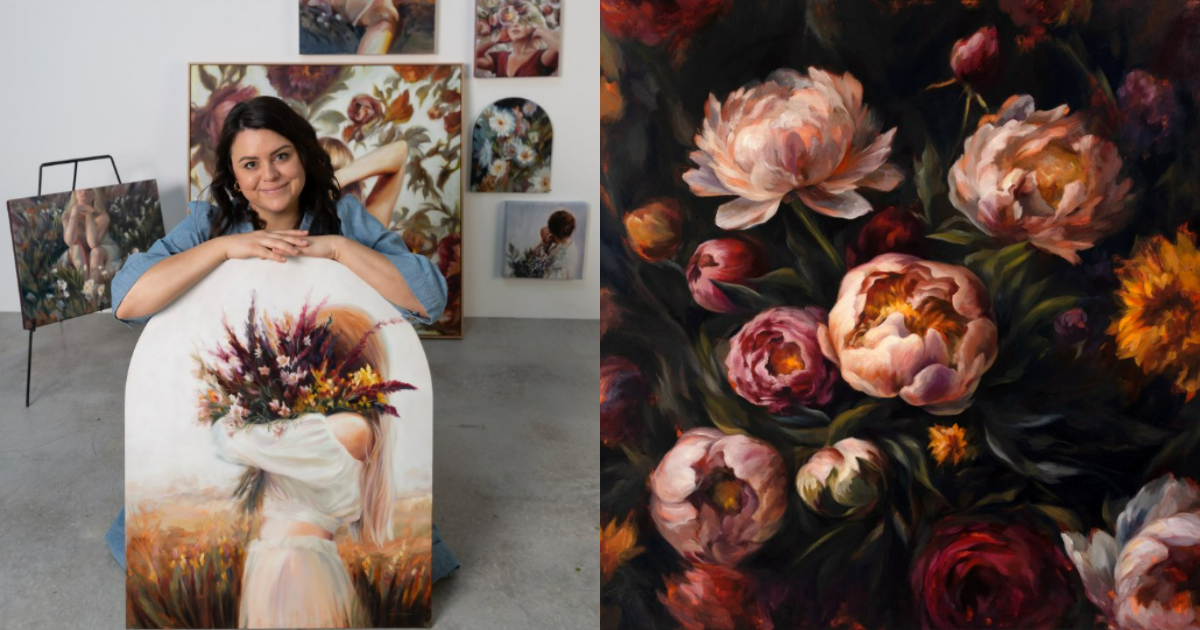
By the way, I offer commissioned artworks where I work closely with you to incorporate your vision into the art. By limiting my commissions to a select few each year, I ensure each piece is crafted with the utmost care, giving my clients a truly unique work of art that’s deeply meaningful to them.
I’d like to invite you to download my available artwork price list and view my signature floral painting collection and recent Figures and Florals collection. Please feel free to contact me with any questions. Additionally, be sure to stay updated on my blog, where I’ll be publishing plenty of tips, tricks, and resources that you may find interesting - just like this deep dive into what it means to be a successful artist.
