

Alicia Mireille, via Stevens Street Gallery, who represented me at the Affordable Art Fair Melbourne 2024
With everything from shopping to socialising, working, dating - and pretty much everything in between - primarily happening online these days, it’s easy to wonder if art fairs still hold the same power they once did. (Spoiler alert, they do.)
There's just something about the energy of seeing art up close, meeting the artists, and feeling that instant connection with a piece that many would argue could never be replicated on a screen.
Participating in the 2024 Affordable Art Fair in Brisbane, Sydney and Melbourne was an exciting and rewarding experience for me as an artist. It offered a unique opportunity to connect with art collectors, engage with a broader audience, and gain fresh insights into how my work resonates with others.
Working closely with Alicia Mireille from Stevens Street Gallery, who represented my art business during the Affordable Art Fairs, highlighted the importance of having a strong and supportive partnership in the art world.
Like myself, Alicia remains convinced that “in-person connections remain crucial in the art world.” To provide more insight into the behind-the-scenes of art fairs, I invited her to share her perspective on these events and how they benefit artists. So, thanks to Alicia, please come along as we explore everything you’ve ever wondered about art fairs from a gallerist’s perspective.
Why art fairs are still relevant in 2024
Make no mistake, art fairs aren’t just transactional. They’re about watching collectors light up when they hear the story behind the artwork and allowing an artist to stand face-to-face with people who truly appreciate the blood, sweat, and tears they’ve poured into their latest works. They’re about making genuine connections, having meaningful conversations, and watching on as art sparks joy in real-time, right in front of your eyes.
These little moments remind us that art is so much more than something to look at—it’s something to feel. And no matter how much the digital world grows, that human connection is what makes art fairs the heart of the art world.

Featured with some of my works (L); Fellow artist, Prudence Coburn showing collectors her piece (R) at AAF Melbourne 2024
The experience of representing artists at art fairs
As Alicia puts it, “Representing an artist's work is very rewarding.” The highlights for her come from moments like “art collectors meeting artists firsthand, witnessing moments of genuine joy unfold.” It’s these personal connections that breathe life into art fairs.
Far beyond sales, it's the human interactions that matter most, as visitors respond positively to the art, and connections are made between creators and collectors that last long after the event has ended. Alicia believes these encounters “vividly illustrate how art is both created and acquired from the heart and soul, enriching the atmosphere of these artistic exchanges.”
The role of art fairs in the contemporary art market
Art fairs are so much more than exhibitions; they’re essential to the contemporary art market. Alicia explains that these fairs are “vital hubs where artists, collectors, galleries, and art enthusiasts converge,” offering a unique space for artists to connect with collectors face-to-face.
This personal is especially valuable for new creatives. “They offer unparalleled exposure for emerging artists,” Alicia notes, as art fairs allow them to network and collaborate with more experienced professionals.
In her words, art fairs are crucial to the contemporary market because they “stimulate creativity, facilitate commerce, and nurture a vibrant community of artists and collectors.”
The importance of face-to-face interactions
In an increasingly digital world, couldn’t we all use a little more human connection? Face-to-face contact remains a cornerstone of building meaningful relationships within the art world, and Alicia strongly believes in their importance, stating, “Face-to-face interactions are immensely important in building relationships with potential buyers and collectors.”
Alicia recalls witnessing this firsthand at the Affordable Art Fair: “Through their conversations, the artists shared the inspiration behind their artworks and their creative process, which resonated deeply with the collectors.” These moments can deeply influence a collector’s decision, creating not just a transaction but a relationship rooted in a shared understanding of the artwork.
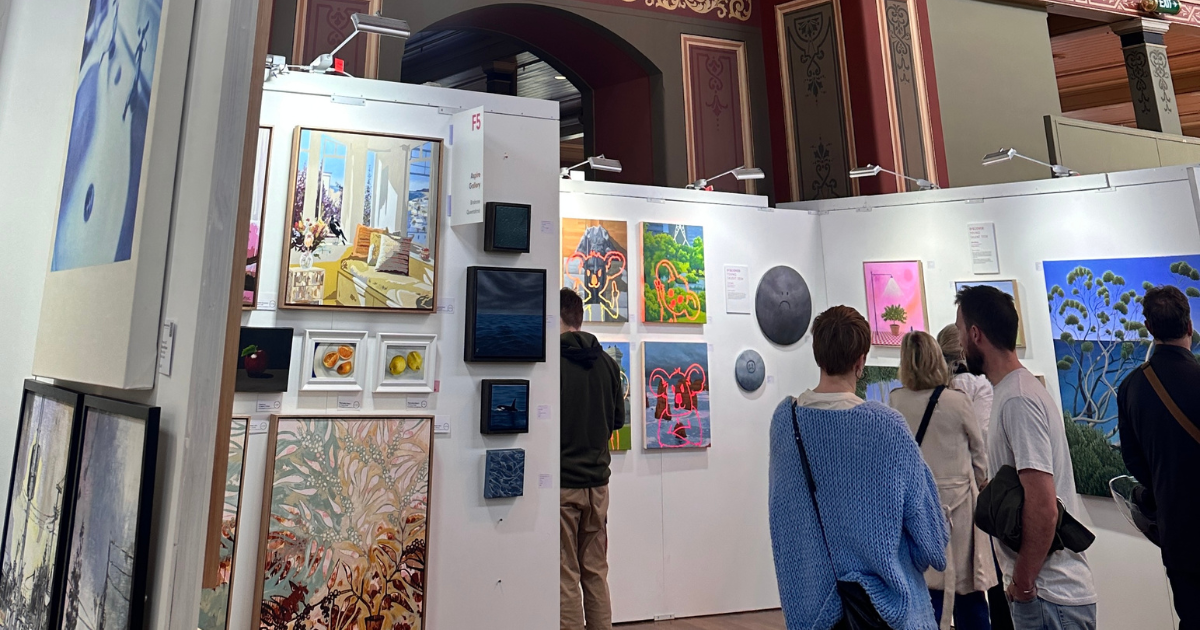
The crowd at the Affordable Art Fair Melbourne 2024
The challenges artists face at art fairs
Participating in an art fair can be both exciting and challenging for artists. Alicia points out that “One major challenge is standing out in a crowded and competitive field, where numerous artists vie for attention.” Her advice to artists is to focus on developing a clear, cohesive narrative around their work. This helps to differentiate their art and capture the interest of potential buyers.
Pricing is another challenge that many artists face, as they need to find a balance between attracting buyers and maintaining the value of their work. “Research and understanding market trends,” Alicia suggests, can help artists strike this balance and improve their chances of success.
The benefits of collaborating with a gallery
Ultimately, partnering with a gallery can validate an artist’s work and provide long-term support in a competitive market.
“Galleries offer artists established platforms and networks,” Alicia explains, giving artists access to a broader audience that might be out of reach on their own. This collaboration can elevate an artist’s profile, as galleries often handle marketing, promotion, and even pricing strategies.
“Galleries often have expertise in marketing and promoting artworks, utilising their resources to enhance visibility and sales opportunities,” Alicia adds. Galleries also handle logistical aspects like shipping and installation, allowing artists to focus on the creative side of their work.
Strategies for presenting artwork at art fairs
At art fairs, the way artwork is presented can make all the difference. Alicia shares that “One effective strategy was to understand the artists we represent, including the artist's inspiration, techniques, and artistic journey.” This background knowledge allows for more personal and meaningful discussions with collectors.
Alicia also emphasises the importance of understanding art collectors. “Actively listening to collectors’ preferences and interests enabled me to understand their needs and direct them to an artist's style to suit their specific tastes.”

Jasmine Veronique, represented by Stevens Street Gallery at the Affordable Art Fair Melbourne, 2024
Final thoughts on art fairs from a gallerist’s perspective
Representing an artist at an art fair is a truly rewarding experience, where you get to connect with people, share stories, and engage in artistic exchanges. As Alicia has found, these in-person interactions build lasting relationships that do so much more than just drive sales—they help keep this wonderful art community alive and thriving.
All in all, Alicia believes that while online platforms are valuable for accessibility, nothing can replace the meaningful exchanges that happen in person, which “enrich the cultural dialogue within the art world.” - and I could not agree more.
If you're ever in Yandina, the Stevens Street Gallery is well worth a visit to see firsthand the creativity and craftsmanship this beautiful space has to offer. Recently, a selection of my fine art pieces were showcased at the Affordable Art Fair in Brisbane, Sydney and Melbourne. Some pieces are still awaiting a new collector, and they can be found here.
Additionally, after the success of the 2024 Affordable Art Fairs, I am excited to say I will be joining them again in 2025!
Feel free to contact me with any questions. Additionally, be sure to stay updated on my blog, where I’ll be publishing plenty of tips, tricks, and resources that you may find interesting.
